Free Consultations | Available 24 / 7
 262-232-6699
711 W. Moreland Blvd. Suite 100,
Waukesha, WI 53188

Is Driving Under the Influence of Marijuana Illegal in Wisconsin?
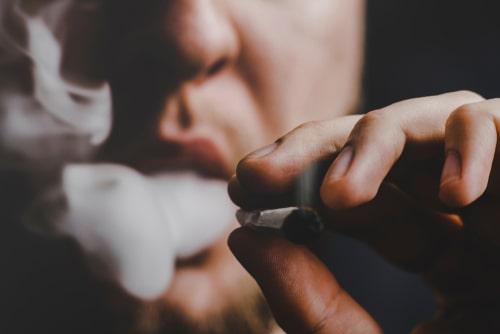
The use of marijuana has become more acceptable in the United States over the past several years. Many people treat this substance the same as alcohol, considering it to be a relatively harmless recreational drug to be used in moderation. However, even though multiple states have made marijuana legal as either a prescription medication or a recreational substance, it continues to be illegal in Wisconsin and at the federal level. Drivers in Wisconsin should be aware of the potential consequences they may face if they are arrested for OWI/DUI based on their use of marijuana.
At Bucher, Wolff & Sonderhouse, LLP, our Waukesha County, WI criminal defense attorneys are available 24/7 to take on your case. We have over 50 years of combined experience, which has given us deep insights into how to approach drug charges and OWI cases.
Laws Against "Driving While High" in Wisconsin
Since marijuana can have intoxicating effects similar to alcohol, those who drive while under the influence of this substance could be pulled over by a police officer and arrested for Operating While Intoxicated (OWI). However, there are a few differences between OWI cases involving alcohol and those involving marijuana.
Wisconsin law recognizes a legal limit for the blood alcohol concentration (BAC) that a driver can have before being considered intoxicated. If a driver has had one or two drinks, their BAC may be below .08 percent, making it legal for them to drive. However, Wisconsin law does not have a legal limit for marijuana. In fact, the law states that it is illegal for a person to drive with any detectable amount of a restricted controlled substance in their blood. Because of this restriction, a driver may be charged with OWI based on any amount of marijuana in their system.
Problems With THC Evidence in Marijuana OWI Cases
Unlike alcohol, THC (the chemical in marijuana that causes users to experience a "high") does not leave a person’s system quickly, and it could potentially be measured days or weeks after a person has used marijuana. If a person is arrested for OWI, and a chemical test of their blood or urine shows that they have marijuana in their system, they could potentially face OWI charges, even if they did not experience any effects of the drug while driving.
Marijuana also differs from alcohol in that it is more difficult to detect in a person’s system. While a police officer may ask a driver to submit to a roadside breathalyzer to test for alcohol, they have no equivalent test for marijuana. Because of this, an OWI arrest based on marijuana use will be based on other factors, such as field sobriety testing or an officer’s observations of the signs of marijuana use. This may include bloodshot eyes, dilated pupils, lack of concentration, or decreased reaction times, as well as the smell of marijuana or the presence of drug paraphernalia in the vehicle.
Penalties For OWI in Wisconsin
The consequences of an OWI conviction are the same, whether a driver was using alcohol, marijuana, or other intoxicating substances (Wisconsin Legislature 346.63). A first offense will result in a driver’s license revocation of six to nine months, as well as a fine of $150 to $300. A second offense within 10 years will result in a jail sentence of five days to six months, a license revocation of 12 to 18 months, and a fine of $350 to $1,100.
Can You Challenge a Traffic Stop in a Wisconsin OWI Case?
A marijuana OWI case often starts with a traffic stop. Before police can pull you over, they need a lawful reason. This may include speeding, drifting out of a lane, running a red light, or having a broken taillight. An officer may also stop a driver if there is reasonable suspicion that the driver is impaired.
However, the police cannot stop you based on a guess or a vague feeling. If the stop was not legal, that can affect the rest of the case. Evidence gathered after an unlawful stop may be challenged. This can include statements you made, field sobriety test results, drug test evidence, and the officer’s observations.
A defense attorney can review dash camera videos, body camera footage, police reports, and dispatch records. These records may show whether the officer had a valid reason to stop your vehicle. In some cases, the video may not match the officer’s written report. Even small details can matter. If the stop violated your rights, your attorney may ask the court to keep certain evidence out of the case.
Disputing Field Sobriety Test Results in 2026
Field sobriety tests are often used in OWI cases, but they are not perfect. These tests were designed mainly to look for signs of alcohol impairment. Marijuana can affect people differently. A person may perform poorly for reasons that have nothing to do with being high.
For example, balance problems, anxiety, tiredness, old injuries, poor weather, uneven pavement, or confusing instructions can all affect the results. Flashing squad car lights and passing traffic can also make it harder to focus. A person may be nervous because police are watching, not because he or she is impaired.
In a marijuana OWI case, the officer may also rely on signs like red eyes, odor, slow speech, or nervous behavior. These signs do not always prove impairment. Red eyes can come from allergies or lack of sleep. Odor may show that marijuana was present, but it does not always show when it was used or whether the driver was impaired while driving.
Should I Talk to Anyone About an Ongoing OWI Case in Wisconsin?
After an OWI arrest, it is natural to want to explain what happened. Still, you should be careful about what you say. Do not discuss the facts of your case with police, friends, coworkers, or people online before speaking with a lawyer. You should also avoid posting about the arrest on social media. Prosecutors may review public posts. Private messages may also become part of a case in some situations.
The safest choice is to speak with a Wisconsin OWI defense attorney. Your attorney can listen to your side of the story in private, explain your rights, and help you avoid mistakes that could make the case harder to defend.
Contact Our Waukesha County, WI Drug Crime Defense Lawyers
At Bucher, Wolff & Sonderhouse, LLP, we can help you defend against OWI charges and determine how you can avoid or minimize the potential penalties you may face. Contact our New Berlin, WI criminal law attorneys at 262-232-6699 to set up your free consultation today.











Contact Our Firm
 The use of the Internet or this form for communication with the firm or any individual member of the firm does not establish an attorney-client relationship. Confidential or time-sensitive information should not be sent through this form.
I have read and understand the Disclaimer and Privacy Policy.